Best Gourmet Coffee Beans for Home Espresso (2026)
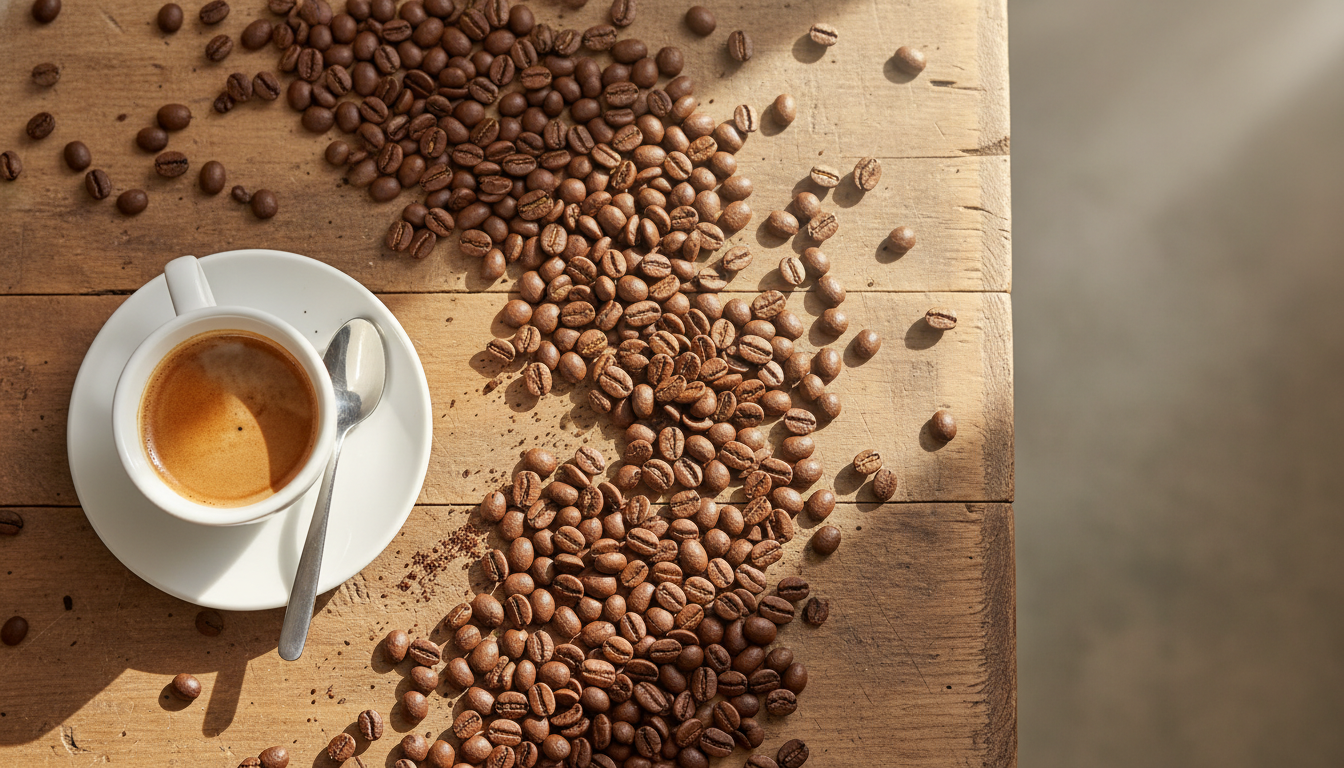
The question isn’t just “which beans are good” — it’s which beans pull well at home, where you don’t have a commercial machine dialing in 30 shots before service. These picks work across a range of home setups, from entry-level portafilters to prosumer machines.
What “Gourmet” Actually Means Here
Specialty coffee has a technical definition: beans scoring 80+ on the SCA scale. In practice, that means traceable single origins or carefully blended lots, roasted by people who publish their sourcing. That’s the floor here.
What it doesn’t mean: expensive for its own sake. Several of the best options for home espresso land between $18–$28 per 12 oz bag, which is reasonable given yield per bag.
Best Overall: Intelligentsia Black Cat Espresso
Intelligentsia Black Cat Espresso has been a benchmark for home espresso for years. It’s a rotating blend designed to pull between 200–205°F with a 1:2 ratio, hitting chocolate, dried fruit, and a clean finish without the sourness that trips up single origins on home machines.
It’s forgiving on grind — not bulletproof, but more tolerant than a light-roasted Ethiopian natural. If you’re still dialing in your technique or your grinder is mid-tier, this blend covers for you.
Medium-light roast, ships within days of roasting from most stockists, and available direct from Intelligentsia with roast dates printed on the bag.
Best Single Origin: Onyx Coffee Lab Ethiopia Sidama
Single origins are risky on home setups because they demand precision. Onyx’s Ethiopia Sidama is one of the more forgiving exceptions. The berry and stone fruit notes survive a slightly-off extraction without turning into a sour mess.
Onyx Coffee Lab Ethiopia Sidama shines as both espresso and filter, which matters if you pull doubles and also want a pourover option from the same bag. Light roast, washed process, strong clarity.
If you’re running a machine with good temperature stability — a Breville Barista Express or better — this is worth the precision it demands.
Best Dark Roast: Stumptown Hair Bender
Dark roast gets a bad reputation in specialty circles, but Stumptown Hair Bender earns its place. It’s a medium-dark blend — darker than most third-wave roasters will go, but nowhere near the char of commercial supermarket blends.
The flavor profile is caramel, bittersweet chocolate, and a hint of citrus that keeps it from being flat. Cuts through milk cleanly, which makes it the right call if lattes and cappuccinos are your primary drink.
Wide distribution means you can find it fresh at Whole Foods or direct online. Roast dates are on the bag.
Best Budget-Premium Option: Counter Culture Apollo
Counter Culture Apollo is a medium roast blend designed specifically for espresso. It consistently lands in the $17–$20 range, which is the lower end of specialty pricing without compromising on sourcing quality.
Flavor is approachable — brown sugar, mild fruit, clean finish. Not the most complex cup you’ll pull, but consistency matters more than complexity when you’re building technique. Counter Culture also has a strong direct subscription, so you can automate fresh delivery.
Matching Beans to Your Setup
Roast level and your machine’s temperature stability are the two biggest variables.
- Light roast (most third-wave single origins): needs stable temperature control, a grinder that can go fine without choking — ideally a Niche Zero or similar single-dose setup.
- Medium roast blends (Black Cat, Counter Culture Apollo): the sweet spot for most home setups. Forgiving on both grind and temperature.
- Medium-dark (Hair Bender): lowest risk, easiest extraction, best for milk drinks.
If your grinder is a step-and-repeat burr grinder with limited grind adjustment, start with a medium blend. Light roasts will punish imprecise grind much harder.
Freshness Over Everything
Any of these beans bought stale will underperform. Look for:
- Roast date on the bag (not “best by” — that’s meaningless for espresso)
- Resting window: most espresso blends peak between 7–21 days post-roast. Light roasts often need the full 14 days
- Whole bean over pre-ground — no exceptions if you own a grinder
If you’re ordering online, buy from roasters who ship within 1–3 days of roasting. Intelligentsia, Onyx, Stumptown, and Counter Culture all meet this standard when ordered direct.
Bottom line: For most home setups, Intelligentsia Black Cat Espresso is the lowest-risk starting point. If you have solid gear and want to explore, Onyx’s Ethiopia Sidama rewards the effort. Stumptown Hair Bender is the move for milk drinks or anyone who prefers a darker cup without sacrificing quality.